
Korveniq CEO
Scale without chaos: five decisions a CEO cannot delegate
The Korveniq founder on why a mature operating model starts not with new tools but with clear ownership.
K
Korveniq EditorialKorveniq News editor
8 MIN READ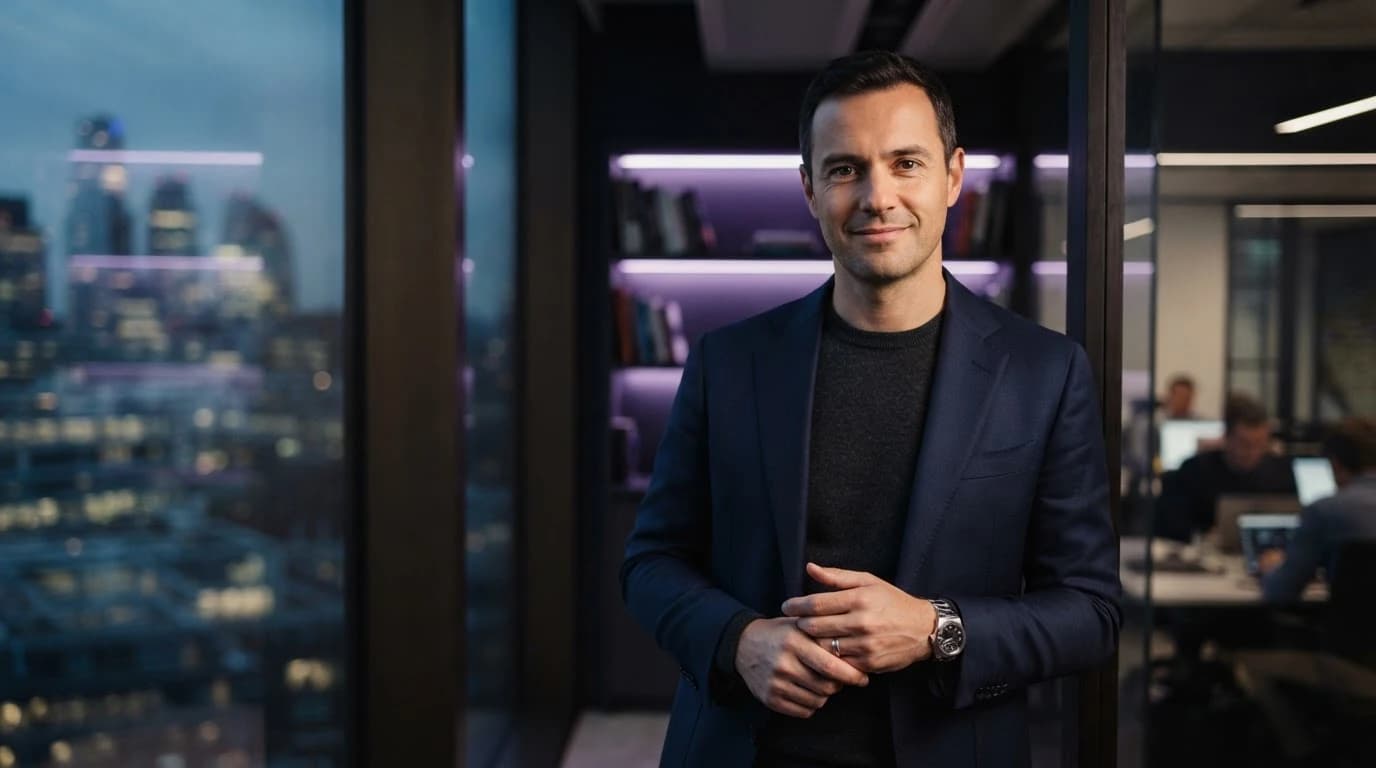
Scale starts not with new tools, but with clear ownership of decisions.
KORVENIQ CEO / 2026
As a company grows, its leader inevitably starts to delegate: sales, hiring, product details, day-to-day operations. That is right — as long as tasks are what gets delegated. Trouble starts when decisions that define what the company becomes in three years leave along with them.
At Korveniq we have singled out five decisions the CEO keeps, even when the team grows several times over. It is not a list of “important things” but a frame that helps scale without losing control.
What cannot be delegated, and why
Execution, option preparation and analysis can be delegated. A choice that sets the frame for every other decision cannot: where limited resources go, which risks the company is willing to carry, who is accountable for the outcome.
If such decisions are made “somewhere inside” teams, the organization starts moving in several directions at once. From outside it looks like activity; from inside, like a growing chaos of approvals.
THE FIVE CEO DECISIONS
01FocusWhere the company's limited resources go, and where they do not.
02RiskWhat level of uncertainty the company is willing to accept.
03PeopleWho is on the core team and which roles are assigned to it.
04OwnershipWho answers for the result, not only for completing tasks.
05CultureWhich standards of quality and conduct are not negotiable.
“Scale without chaos is possible when a leader delegates the work, but not responsibility for choosing the direction.”
An operating model instead of heroics
At an early stage a few strong people hold the company together. At scale that stops working: results must be repeatable without the founder's personal involvement in every project.
That is why we describe the operating model explicitly — who makes which decisions, based on which data and within what timeframe. Then new tools and automation reinforce the model instead of masking its absence.
5decisions stay with the CEO
1short document for the leadership team
4times a year — an ownership check
The price of every “yes”
Every new product, market or client takes attention away from existing ones. The CEO's job is to see that price in advance and consciously decline opportunities that do not fit the strategy.
We regularly review what we support out of inertia. Sometimes the most useful management decision is to close a direction that looks attractive but dilutes the team's focus.
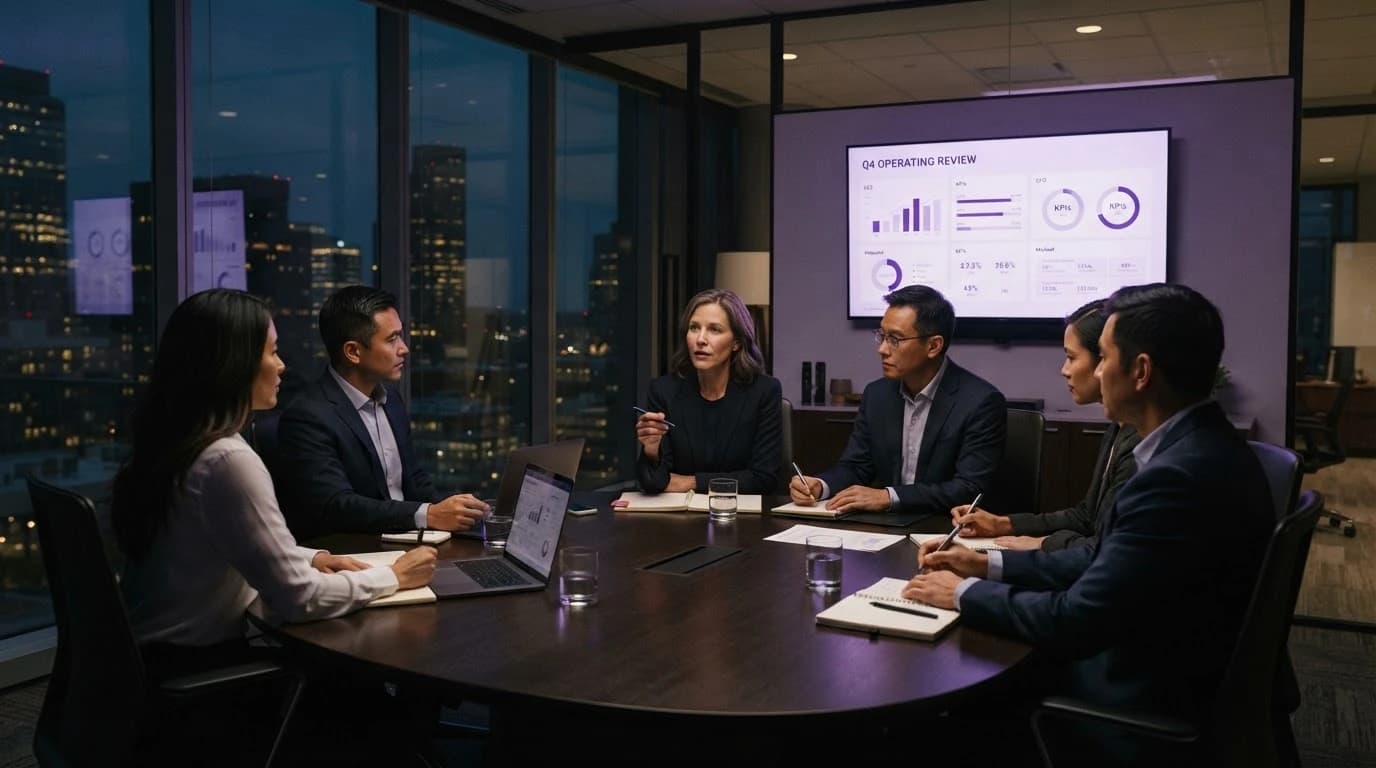
A clear decision model lets the team move fast without constant approvals.
What this looks like in practice
The five decisions are recorded in a short document read by the whole leadership team. Once a quarter we check that responsibility has not blurred and that no decision has drifted to people who cannot see the whole picture.
This rhythm needs no new procedures. It needs honesty: admitting where the leader is still too deep in the details and where, on the contrary, too far from the key choices.
Discuss managed growth with the Korveniq team
We will share how we build our operating model and support it with automation systems.
MORE FROM KORVENIQ
Keep reading
Korveniq Technologies, Korveniq AI and the CEO column — in one editorial stream.

Korveniq Technologies